I want to talk you through where my head's at with the markets this week, because it's been a proper rollercoaster and I reckon a lot of you have been feeling the same whiplash I have.
Quick intro if you're new here. I'm Richard, I write Omera, and I'm not some hedge fund suit telling you what to do from a position of perfect hindsight. I'm a swing trader. I follow trends, I follow the crowd when the crowd's onto something, and I try to manage my risk so the bad calls don't wipe out the good ones. I'm figuring this market out in real time right alongside you, not from above you. So consider this less "expert briefing" and more "a mate talking you through his trades."
The Healthcare Trade That Paid Off
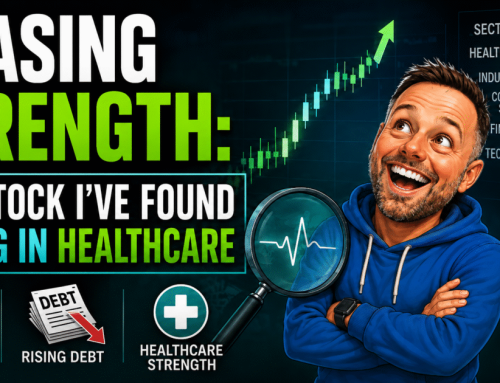
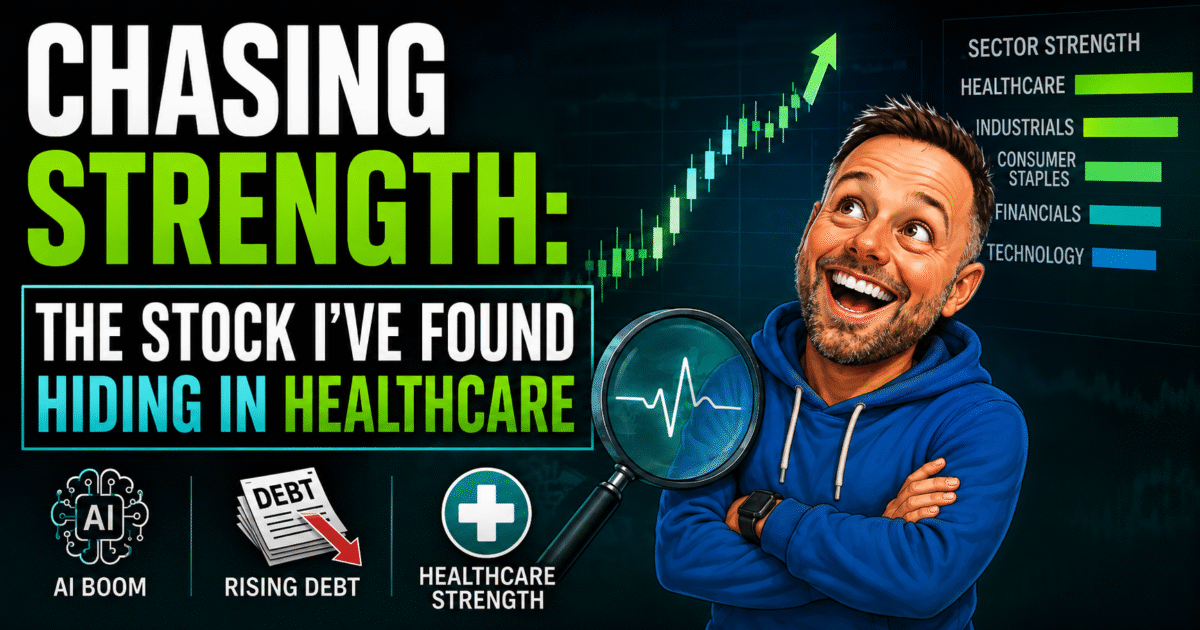
A few weeks back we rotated into healthcare. McKesson, Johnson & Johnson and Eli Lilly. The AI trade had gotten twitchy, sentiment was souring on the big tech names, and healthcare was quietly picking up strength as money looked for somewhere calmer to sit. We rode that trend, averaging in and out as it moved, rather than betting the farm on a single entry.
But here's the thing about swing trading: you're never allowed to get comfortable. I knew the second that healthcare rotation stopped being about strength and started being about fear, the whole picture could flip on its head. And it did, when the Nasdaq took its 10% knock.
Pullback, Correction, Or Something Worse?
That's the question that matters more than any single headline. A pullback of around 5% is normal market noise, barely worth a second look. Once you get to 10% down, you're officially in correction territory, which the Nasdaq-100 hit in late July. That's still not automatically a disaster; corrections happen fairly regularly and are usually healthy. The scary version is when a correction develops into something properly nasty, a lasting trend change rather than a wobble.
The trouble is you can't always tell which one you're in while you're in it. So we sat tight, watched, and waited. And with a stack of big earnings on the horizon, it was obvious those reports would be the tell. Companies were about to stand up and either confirm the fear was justified or show everyone was getting ahead of themselves.
Where I've Landed
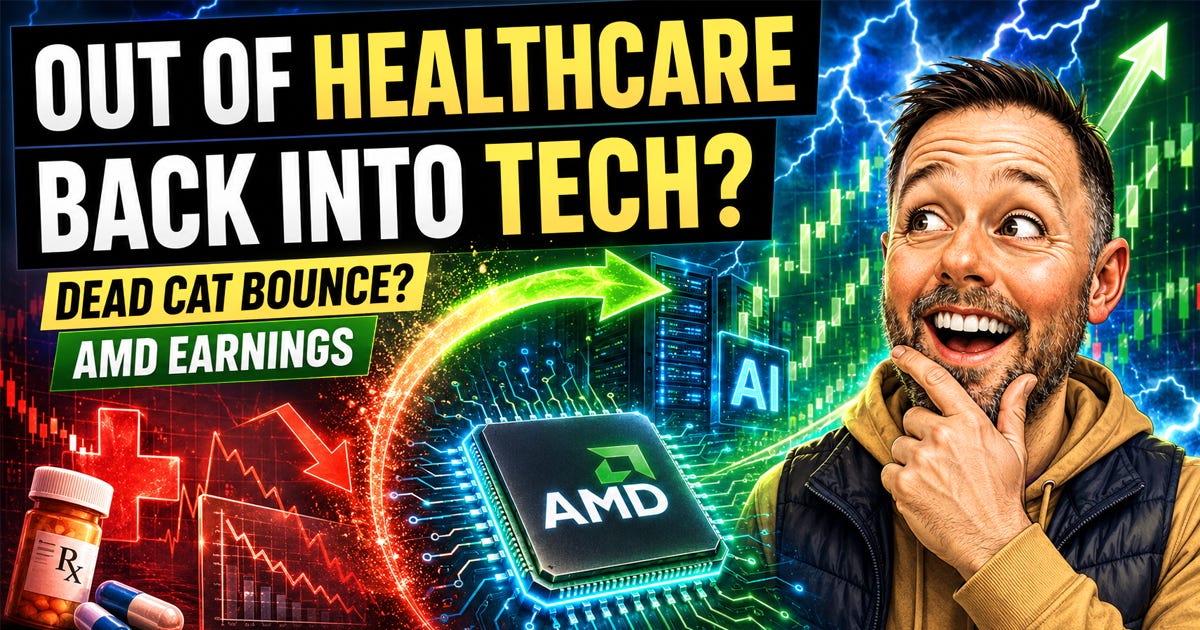
I'm fully out of healthcare now, and I've started moving cautiously back into tech. I'll be honest, there's a nagging voice reminding me this could just be a dead cat bounce. But taking the picture as a whole, I'm feeling fairly confident. Here's why.
The VIX never went into full panic mode. This is the one people skip past, but it tells you loads. The VIX is basically the market's fear gauge, and while it did push briefly above 20 as the correction hit, it never got anywhere near the 30s or 40s you'd expect from a proper disorderly sell-off. For context, real capitulation usually drags that number well above 30, sometimes into the 40s and 50s if things are genuinely falling apart. A brief poke above 20 through a correction reads more as elevated nerves than outright fear. That's a meaningfully different mood, and it's a big part of why I'm not treating this as the start of a bear market.
Interest rates held steady, but it was a hawkish hold. The Fed kept rates unchanged at 3.5%–3.75%, no surprise hike. But it wasn't a comfortable decision, three committee members voted against the hold and wanted a quarter-point hike instead, and another increase later this year is still very much on the table. Worth being honest here too: markets didn't cheer this one, stocks actually fell sharply on the day as bond yields rose. Avoiding an immediate hike removed one risk, but it was hardly a victory lap.

The hyperscalers weren't the bloodbath everyone braced for. Big tech earnings season landed with a real split personality. Some names, Microsoft and Amazon particularly, got rewarded hard because they could point straight at the revenue their AI spend is generating, cloud growth doing the heavy lifting. Others, Meta and Alphabet, took a proper kicking, though it's worth being fair to Alphabet here: their cloud growth was genuinely excellent, up 82%, it just got overshadowed by rising capex and a free cash flow number that turned negative for the quarter. Meta's issue was more that earnings missed while spending guidance climbed again. So it wasn't the disaster some were predicting across the board, but it wasn't a free pass either. The market's got sharper teeth now on capex specifically; it's rewarding companies who can show the receipts and punishing the ones whose cash flow can't keep up with the spend. Albeit Google has been let off the hook and is recovering strongly.
The Iran And Oil

The other big driver cooling this whole situation down is the Middle East. Hopes of de-escalation around Iran have picked up and oil's come down sharply off its highs on the back of it. This isn't fully settled; the Strait of Hormuz situation remains a live risk and things could flare up again. But the immediate geopolitical premium sitting in the crude price has come down, and that matters because lower oil feeds through to lower inflation pressure, particularly on the headline number.
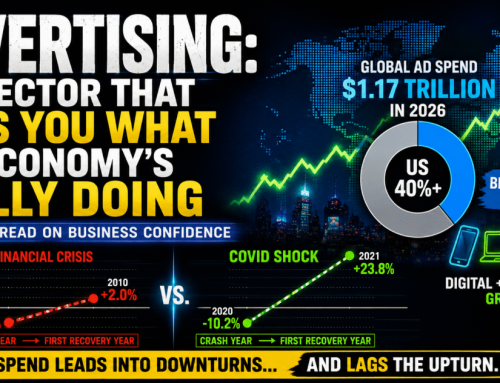
Everyone's fixated on the CPI and PPI prints each month, and for me oil is one of the more useful numbers to watch alongside them right now. It feeds fairly quickly into petrol prices, transport costs and the headline inflation figure. It won't tell you the whole story though, core inflation, which strips out food and energy, moves on its own drivers like shelter and wages. But a sustained fall in crude does take one real source of price pressure off the table, and that's exactly the kind of uncertainty markets tend to correct on, in the good direction for once.
The Chip Names
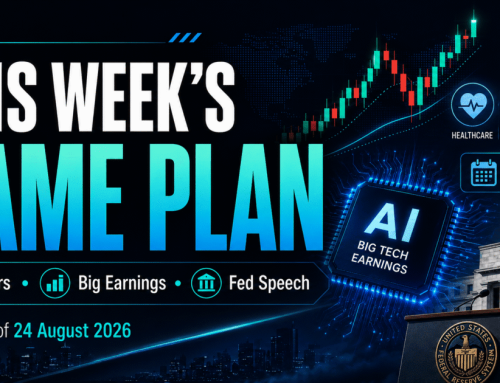
Where do we go from here? We've got a run of chip earnings landing over the coming days and weeks, and that's where the real story of this market gets written.
AMD reported last night. The numbers themselves were excellent; revenue and adjusted earnings both beat, and the next quarter's revenue guide came in ahead of consensus too. Sixth straight quarter of revenue growth above 30% year-on-year, which is the kind of run most companies would kill for. And the stock still fell around 8% after hours.
Capex was a real part of it, quarterly capital spending more than doubled from $389m to $808m, way above the roughly $299m analysts had pencilled in, and that dragged free cash flow down from the previous quarter. The shares had already rallied hard into the print, expectations were sky-high, and investors wanted even clearer proof that all the AI partnerships translate into faster revenue right now rather than later.

I still like AMD here. I watched a good breakdown on it and broadly agree with the take: the CPU side, EPYC demand riding the agentic AI wave, is an important part of the story, alongside the GPU and Instinct side, which more than doubled data centre revenue on its own. The bigger rack-scale ramp is still mostly ahead of us rather than behind us, with the real volume landing later in the year. The earnings call itself was fairly dull, no bombshells, no nasty surprises. I didn't hear anything that broke the longer-term thesis, though that doesn't mean there's nothing to watch; expectations are high, capex has jumped sharply, and AMD still has to actually execute on the Helios ramp. But nothing in the call itself looked like a crack in the story; the sell-off reads more like a reaction to sky-high expectations than to the fundamentals.
That's where I'm at. Cautiously back in tech, watching oil more than I'm watching CPI, and waiting to see what the rest of this chip earnings run tells us. I'll keep you posted as it moves.